How to start trading from scratch (without losing money in the first week)
In recent years, trading has become extremely popular. More and more people see charts on social media, profits, deals, and quick results.
However, the reality is different—most beginners lose not because the market is "rigged," but because they start off on the wrong foot.
This article will show you the right order in which to get into trading.
1. First: understand what trading actually is
Trading is NOT:
gambling
pressing buy/sell at random
getting rich quick
copying other people's trades
Trading is a process of making probabilistic decisions based on market behavior.
You are not trying to predict the future.
You are trying to respond correctly to what the market is showing.
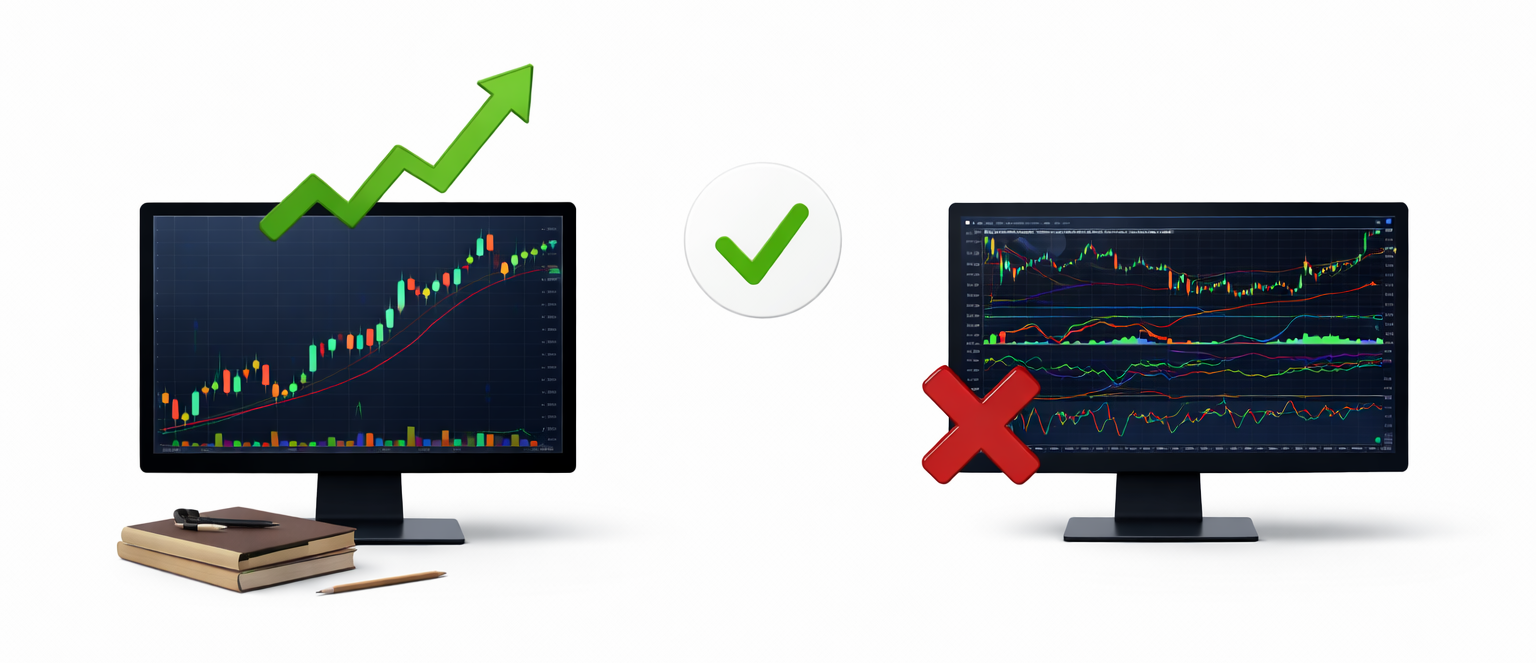
2. Forget about indicators (at least in the beginning)
The most common mistake made by beginners:
Open the platform → add 6 indicators → wait for them to match → enter.
The problem is that this way you never understand what the price is actually doing.
The first thing you need to learn is:
trend
market structure
areas of interest
candlesticks
Without this, indicators are just colorful lines.
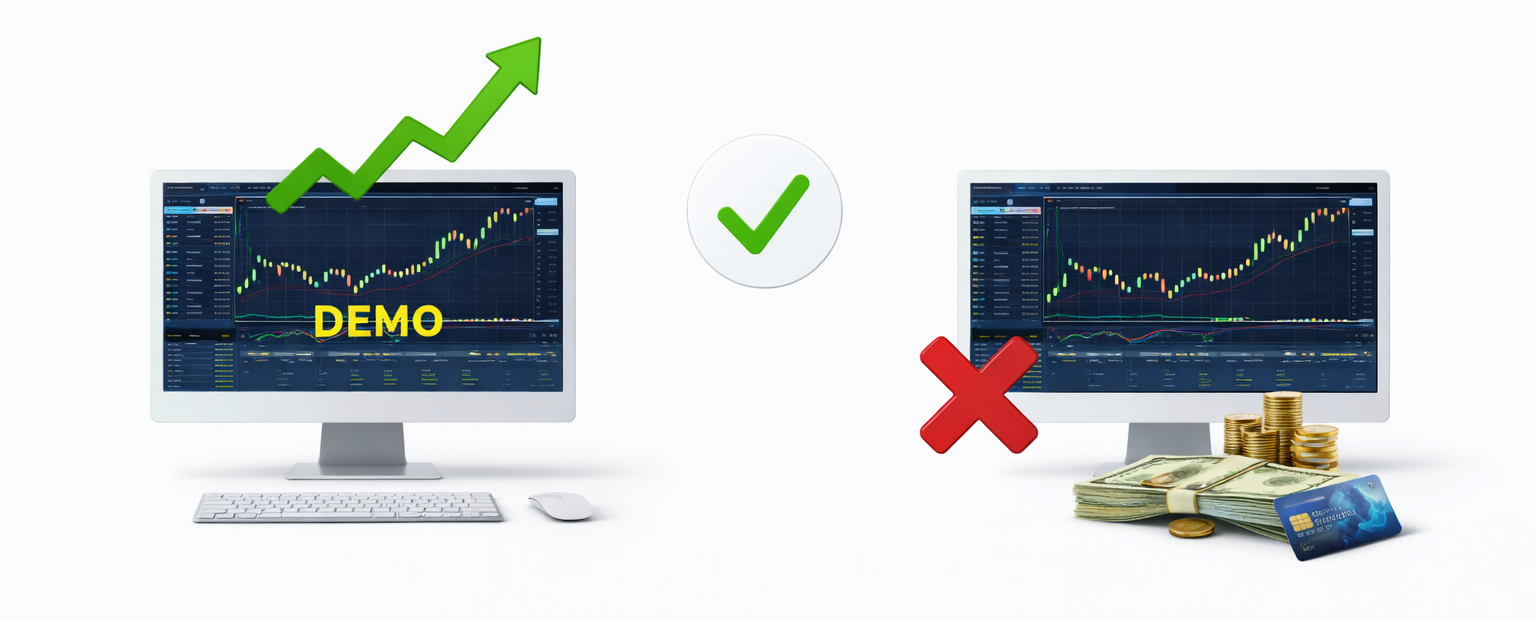
3. Start with a demo account only
Never start with real money.
The reason is not that you will lose immediately,
but that your brain starts making different decisions when there is risk involved.
A demo account allows you to:
make mistakes without emotion
build habits
understand the strategy
The goal is not profit.
The goal is consistency.
4. Learn the risk before the profit
A professional trader thinks like this:
"How much can I lose?"
A beginner thinks:
"How much can I earn?"
The difference determines who will remain in the market.
Basic rules:
maximum 1–2% risk per trade
always use a stop loss
one loss ≠ bad strategy
5. Don't look for signals — build thinking
Copying trades does not create skills.
When market conditions change, dependency remains.
The real goal at the beginning is:
to start seeing the market, not guessing it.
What does the right start look like?
Learn how prices move
Test your strategy on a demo account
Follow risk management
Keep a journal
Be consistent
Don't rush to make profits.
In trading, speed almost always leads to losses.Trading is not difficult, but it requires the right learning sequence.
Most people lose because they skip the basics and look for shortcuts.If you start correctly, time starts working for you — not against you.
Past results do not guarantee future success, and every trading decision is the personal responsibility of the trader.